MusicAboutPressContact
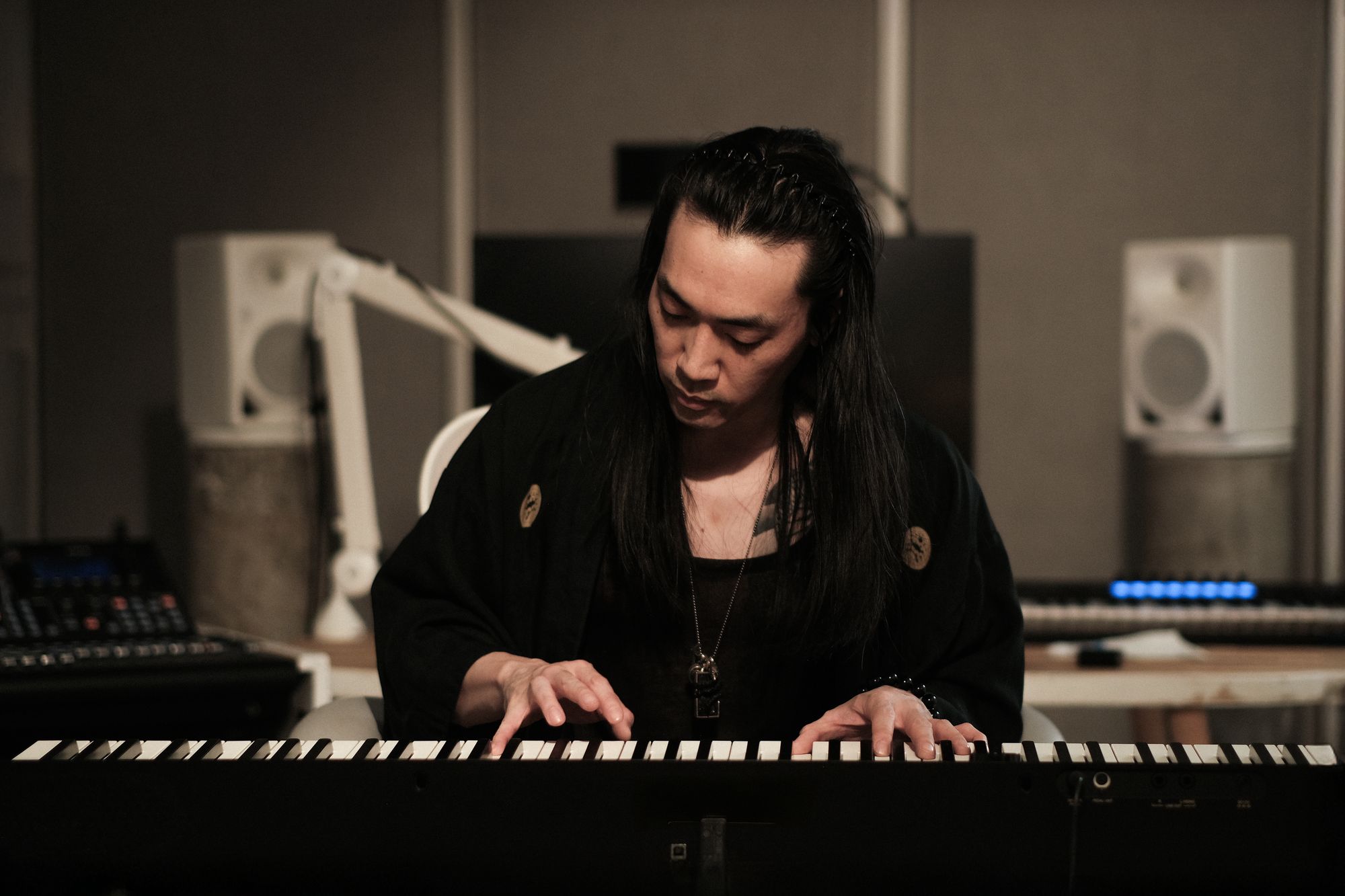
NevadaSYSTEM at the keys in the studio

Interview · Change Underground · 17 August 2026

Two hours out,
two hours back

NevadaSYSTEM started in 2016 in an empty room in Nevada, between shifts at a mine, on a laptop. Then nothing came out for years. Qian “Dan” Qiao on secondhand synths in Mong Kok, the rack he still hasn’t moved to Dallas, cutting his own flute solo out of Diablos, and why the hard part is still getting in a room.

Release
Diablos, July 2026
Label
Vasa Records
Voice
Clare Dove
Cello
Daniel Chouinard
Played
Guqin, flute, dizi
Based
Dallas–Fort Worth, TX
01

When did NevadaSYSTEM start, and what pushed you to do it?

2016, I think. It’s a blur. It’s longer ago than I’d like.

I was working out at the mines in Nevada, so the name’s pretty on the nose — it was a system I built to stay sane out there. Don’t think of a pickaxe; the mine work I was doing was mostly sitting at a bunch of controls somewhere with nothing interesting around you. Two hours out in the morning. Two hours back at night. You travel light in that line of work.

So I had a laptop and an empty room. That’s where it started. Then nothing came out for years.

02

How did you start out — what gear defined the early sound?

Trackers first, then whatever I could afford. Which wasn’t much. Instruments were expensive and I was a kid — acoustic ones, I mean, I shouldn’t say real instruments, I don’t think that’s right. But that’s how I thought about it at the time.

What I could get was secondhand gear in Hong Kong. We’d go over in the summers to see family and I’d work through the shops in Mong Kok and Tsim Sha Tsui. A 909. A DX7. A WX7, which is a wind controller. Bought it because it was cheap, not because I could play wind instruments. Took a couple of decades before that turned into a flute in my hands.

The early sound was electronic because electronic was what I could afford.

Bought it because it was cheap, not because I could play wind instruments. Took a couple of decades before that turned into a flute in my hands.
03

How has the studio changed since then, and what did that do to the way you work?

It grew and grew, and then I took it all out.

I had a lot of outboard by the end, and I still think nothing beats putting your hand on a knob. But I stripped the whole thing back to nothing when this project started and I’ve been putting it back one piece at a time, only when the piece can justify why it’s there. The racks are still in New York. I keep not moving them to Dallas. There’s probably a dead rat stuck in the patch bay cables by now.

There’s hardware, there’s software, and there’s things you actually play, and for any given job one of those three is the right answer. You can get a decent flute line out of a breath controller and SWAM and a long chain. Or you can pick up a flute. A 1176 sounds fantastic in a studio, and it’s a glorified paperweight in a hotel room.

Mostly the gap where the rack used to be got filled with flute and dizi and guqin.

04

Was there a moment where the sound locked in?

Ha, can I say it isn’t locked at all?

I’ll write something and think I’m god, and the next morning it’s garbage. Both are probably wrong. That hasn’t changed in a long time. So there’s no moment where it clicked, and I wouldn’t believe it if it turned up.

If we can build a mood and put on a show worth being in the room for, that matters more to me than nailing down a sound.

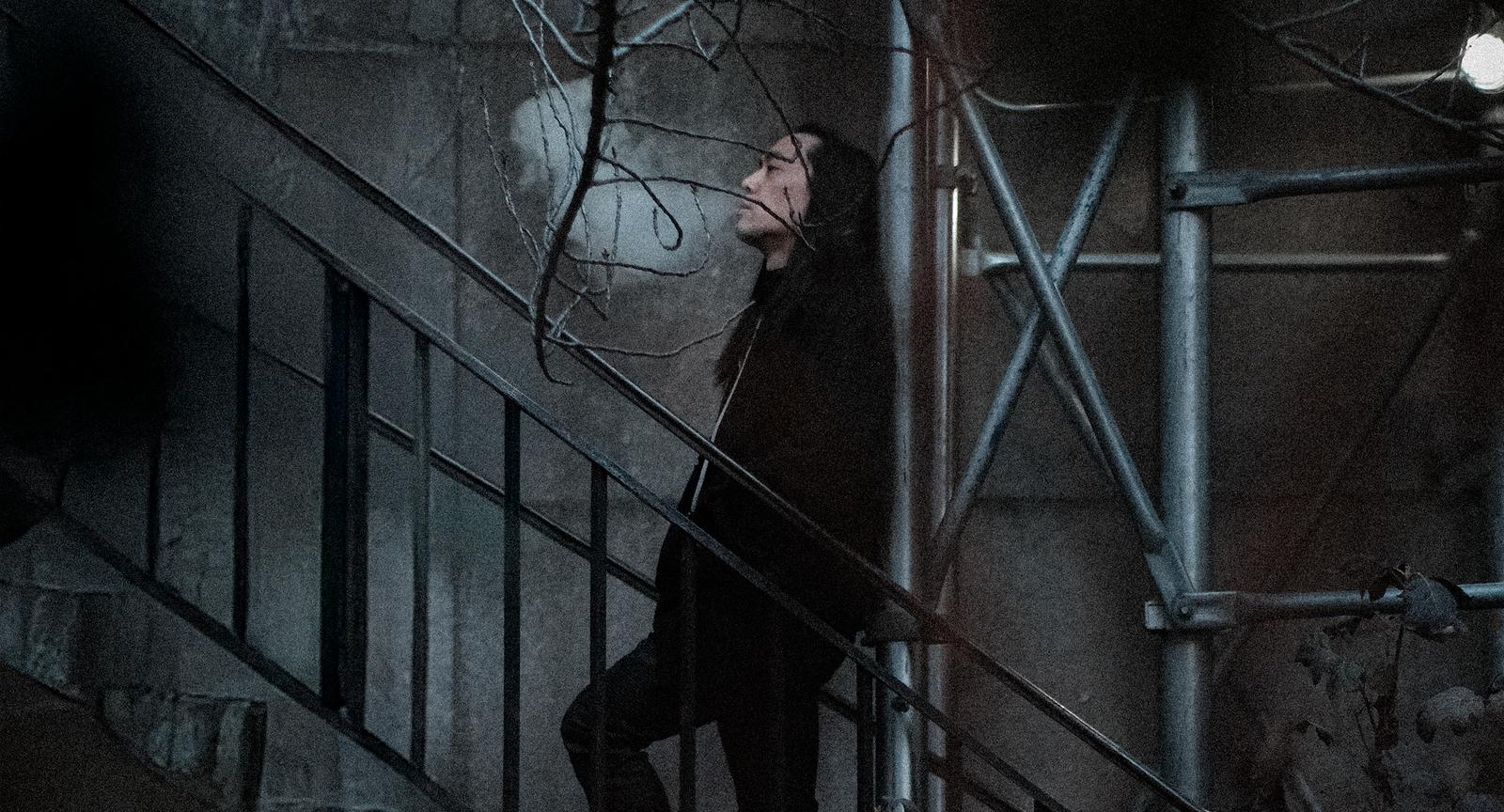
NevadaSYSTEM on a stairwell at night

The rack came out. The flutes went in.

05

Diablos landed on Vasa Records in July. Where did it come from?

I wrote it a few years ago, after moving for the fifth or sixth time in a decade.

It’s about the things that keep pulling you back. Things you know are bad for you. They call you, and you go. You just go. It’s baggage.

Diablos is devils. Your vices, your fatal flaws, whatever you want to call them.

I never wrote a version of it I liked, and it sat around for years. Then I was finishing a track with Clare Dove, we had time left over, and we messed about with this one instead. That was the version.

06

Walk us through the lead melodies — how they were tracked, and who did what.

The leads are all electronic, which isn’t what people expect from us.

They didn’t start that way. I had a huge flute solo running through the breakdown and a call-and-response between the flute and the vocal line, and it was a mess. Too much happening at once and the mids were completely congested. I played it out in Brooklyn in a tiny room that holds about 100 and it was awful. So I scrapped the ego and haven’t missed it. The flute got whipped into pads instead, and breath onto the synths.

What’s in the lead now is guqin I sampled and layered into a Serum patch, and flute looped and stretched until it’s a texture.

That’s the whole problem with this project in one place. How far forward do you push the unfamiliar sound, and how much do you take from the vocabulary people already know. Drop in an untreated yangqin arp and it reads as a costume immediately. Orientalism, straight away. That’s a reflex in the listener, not something in the instrument, but it’s what they hear whether I want them to or not. So the job is to blend it so it doesn’t sound different. It just feels different.

Clare Dove sang it, over in London. We kept the whisper and the mouth noise and the breathing instead of cleaning it up, because I didn’t want it landing as pop. Daniel Chouinard played cello, out of Boston, he’s on a lot of my stuff. Most of the work on him was saturation and time-based, getting him to sit inside an electronic record instead of a classical one. The bass is only there to hold the floor and stay out of everyone else’s way.
The job is to blend it so it doesn’t sound different. It just feels different.
07

Does the track represent where your head is now?

Do they ever?

By the time a record’s out I’ve heard it a thousand times and the club’s heard it a few dozen. You press play on release day and it’s more like — huh. That’s what I was thinking about back then. So it’s a snapshot, good or bad, of a year or two ago. Usually more.

You can look at someone’s discography and read it as a map of their life. Mine’s got a hole at the front of it. I started this in 2016 and sat on everything for years and I still don’t have a good answer for why. I should have put it out.

You can look at someone’s discography and read it as a map of their life. Mine’s got a hole at the front of it.
08

Where are you taking the project next?

Texas, which I’m aware is a weird answer. Not the capital of melodic dance music. And not the old-man-goes-up-a-mountain-to-think version either — I’m not going out there to find myself.

There are people down there I’ve been wanting to work with. Most of them don’t want an Instagram, never mind a dancing video to put on it. That’s exactly why I want to work with them. We’ve pulled a lot more live players in over the last couple of years and I’d rather keep going that way than get better at being online. Part of that’s building a room down there set up for players instead of for gear.

Getting in a room is still the hard part.

First published

A shorter version of this conversation was first published by Change Underground on 17 August 2026, interviewed by Mark Betteridge. This is the full exchange. Read it there →